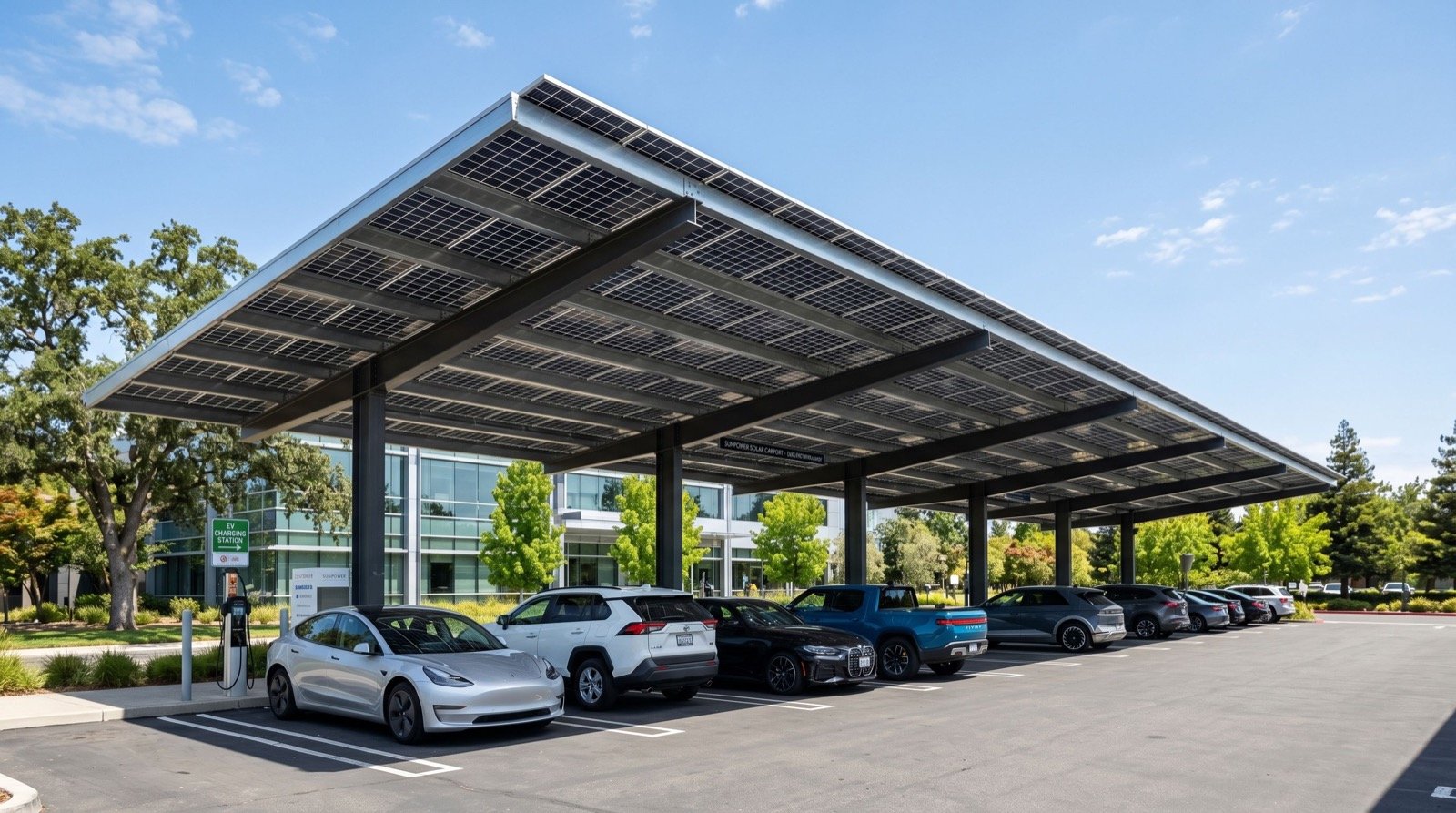
Ask ten different installers in Rawalpindi for a solar quote and you’ll get ten different numbers, which leaves most homeowners and shopkeepers guessing whether they’re getting a fair deal. This guide breaks down the real math behind solar installation in Rawalpindi in 2026, so you can evaluate any quote against actual numbers instead of trusting a sales pitch.
What Drives the Cost of Solar Installation in Rawalpindi
Three things move the price of a solar system more than anything else: panel wattage and brand, inverter type (hybrid vs on-grid), and whether you want batteries. Rawalpindi’s proximity to Islamabad means most reputable installers service both cities, so competition tends to keep pricing a bit more honest here than in smaller towns — but it also means low-quality players compete on price by cutting corners on components.
Import duties on solar equipment and currency fluctuations both still affect final pricing in 2026, which is why a quote from six months ago may no longer reflect current market rates. Always request a fresh, itemized quote rather than relying on a number a neighbor mentioned last year.
Breaking Down a Real Rawalpindi Quote: What Should Be Included?
- Panel count, wattage, and brand/tier (Tier 1 manufacturers only)
- Inverter brand, type, and surge capacity
- Mounting structure material and wind-load rating
- DC and AC cabling, breakers, and earthing/surge protection
- Net metering application and DISCO liaison fees
- Installation labor and commissioning
- Written warranty terms for each component
If a quote is missing several of these line items, it’s incomplete — and incomplete quotes are how homeowners end up with surprise costs after the system is already on the roof.
How Do You Calculate Your Own ROI Before Signing Anything?
The simplest way to sanity-check any quote is to divide the total system cost by your average monthly savings. If a 10 kW system costs roughly PKR 1,700,000 installed and cuts your monthly bill by about PKR 45,000, your payback period is under 4 years — a reasonable benchmark for most Rawalpindi homes and small shops in 2026.
| System Size | Approx. Installed Cost (PKR) | Avg. Monthly Savings | Payback Period |
|---|---|---|---|
| 5 kW (small home) | 950,000 | 22,000 | ~3.6 years |
| 10 kW (home/small shop) | 1,700,000 | 45,000 | ~3.1 years |
| 20 kW (commercial unit) | 3,200,000 | 95,000 | ~2.8 years |
Residential vs Commercial Installs in Rawalpindi: Key Differences
Homeowners typically prioritize a quiet, low-maintenance grid-tied system sized to daytime AC load. Shopkeepers and small commercial operators along Rawalpindi’s busier commercial corridors often need the system to cover a longer operating day, since shops stay open into the evening when solar output has already dropped.
For commercial users, pairing a modest battery bank with the solar array to bridge the evening gap is often more cost-effective than oversizing the panel array alone, since extra panels produce nothing after sunset regardless of how many you install.
Vetting a Solar Installer: Questions That Separate Good Companies From Risky Ones
Finding quality service providers matters as much for solar as it does for any other major home investment — the cheapest quote is rarely the cheapest outcome once you account for premature equipment failure or a bungled net metering application.
- How many systems have you installed specifically in Rawalpindi, and can you provide references?
- What brand and tier of panels and inverter are you quoting, and can I see the datasheet?
- What’s included in the warranty, and who handles claims — you or the manufacturer directly?
- How long does your average net metering approval take with IESCO?
- Do you offer post-installation monitoring or a maintenance plan?
Comparing Rawalpindi Pricing to Quetta
Costs and logistics shift significantly outside the Punjab corridor. A solar company in Quetta often faces higher transport and freight costs for equipment, plus different structural requirements for occasional snow load, which can push per-kW installed costs higher than in Rawalpindi. If you’re comparing quotes across cities for a business with multiple locations, don’t expect identical pricing.
Maintenance Costs You Should Budget For After Installation
Solar systems are low-maintenance compared to generators, but they aren’t zero-maintenance. Budget for periodic panel cleaning, especially after Rawalpindi’s dusty pre-monsoon months, since a thick layer of dust can reduce output by a noticeable margin until it’s washed off. Most installers offer a cleaning package for a modest annual fee, or you can hire a general cleaning crew familiar with rooftop panels.
Inverters are the component most likely to need attention over a 10-20 year system life. Hybrid inverters typically carry 5-10 year warranties and may need replacement or refurbishment once during the system’s lifetime, so factor that eventual cost into your long-term ROI calculation rather than assuming zero ongoing expense after the initial install.
Is Now a Good Time to Install, or Should You Wait?
Every year that passes without solar is another year of paying full retail electricity rates, which in Pakistan have trended consistently upward. Panel prices globally have also been relatively stable to slightly declining in recent years as manufacturing capacity has scaled, per tracking from the International Energy Agency, so waiting for a dramatically cheaper future price point is not a strong strategy — the savings you forgo by delaying usually outweigh any marginal price drop.
Frequently Asked Questions
What’s a fair price per kW for solar installation in Rawalpindi in 2026?
Expect roughly PKR 160,000-180,000 per kW installed for a quality system with Tier 1 panels and a reputable hybrid inverter, though exact pricing depends on brand choices and site complexity.
Should I choose an on-grid or hybrid inverter?
If backup during outages matters to you, choose hybrid, since it supports battery addition later even if you don’t install batteries immediately. Pure on-grid systems are cheaper but offer zero output during a grid outage.
How much roof space does a 10 kW system need?
Roughly 550-650 square feet of unshaded roof area, depending on panel wattage and spacing for maintenance access.
Can I expand my system later if my usage grows?
Yes, as long as the inverter has spare capacity and your net metering agreement allows an upgrade — confirm both points with your installer at the time of initial design.
Final Takeaway
The homeowners and shopkeepers getting the best value from solar installation in Rawalpindi in 2026 are the ones who treat it like any other major financial decision — comparing itemized quotes, checking installer track records, and running their own payback math rather than taking a single salesperson’s word for it.